Example: Manchester Climate Ready Partnership (MCR)
| City role | The MCR is a network of stakeholders in the public, private and charitable sectors that set the city’s climate change strategy, collaborate on its delivery, and track progress towards its goals. Manchester City Council has two seats on the independent MCR Board and host the MCR Team. |
| Funding and revenue | Core funding combines Manchester City Council support, partnership contributions, member fees, voluntary contributions, and grant funding. Corporate members pay a £500 annual flat fee, while community organisations and SMEs are not charged. |
| Operating model | Open and flexible membership model to encourage access for a diverse range of organisations: members commit to addressing the climate impacts within their own control, and to collaborating with others to do the same. Fixed emissions inventories, target-setting, and benchmarking are not required but are captured via voluntary disclosure. |
| Scale and governance | There are 45 core members representing over 820 organisations, with 42,000 employees and turnover in excess of £20 billion. The executive team employs 4-8 full time equivalent staff, depending on grant funded programmes. The independent MCR Board is chaired by Arup and is onboarding new members in 2026, scaling to 12-15 members, to maximise its role in overseeing and providing strategic direction to implementation of the MCR Plan, the city’s latest five-year climate change strategy. |
| Key partners | City and city-region government, universities and research institutions, youth representatives, anchor institutions, housing providers, developers, infrastructure providers, built environment businesses, community and voluntary-sector organisations, and wider private-sector employers. |
Introduction and context
The Manchester Climate Ready Partnership (MCR) is the city’s cross-sector climate partnership: the platform through which Manchester develops, coordinates, and tracks delivery of its citywide climate strategy. Supported by a team of eight full-time equivalent staff, it has evolved from a fixed group of anchor institutions into a more open alliance that helps make climate action a shared agenda across the city.
The model builds on Manchester’s long-standing partnership culture and science-based targets developed with the University of Manchester’s Tyndall Centre: a 2038 zero-carbon target and a 15-million-tonne carbon budget. MCR has translated these targets into a practical strategy that is owned “from the city to the city”, rather than positioned solely as a council plan.
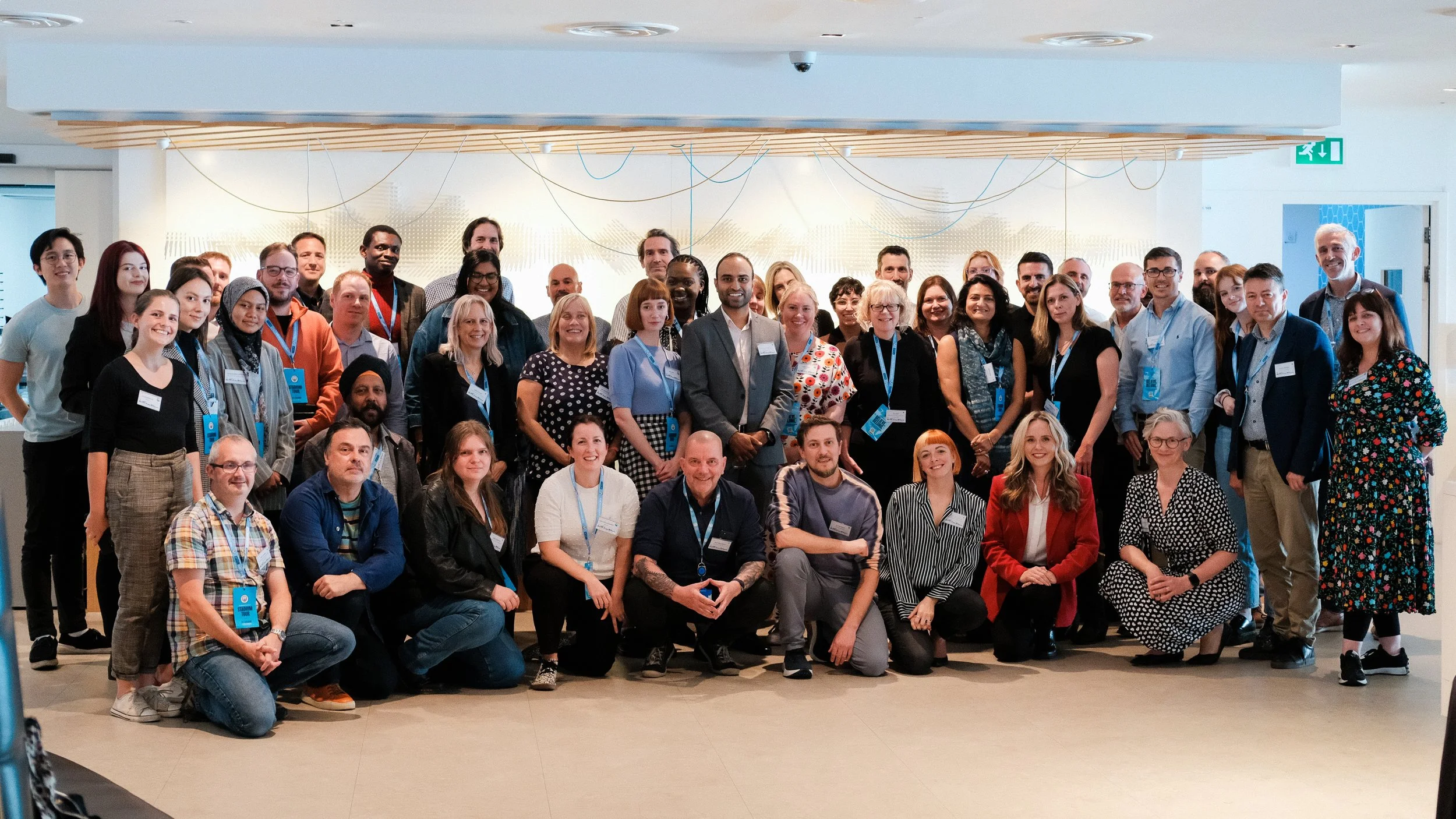


How the partnership works
MCR is a voluntary, cross-sector partnership. Its independent Board is chaired by Arup, with Manchester Metropolitan University acting as Deputy Chair. It is facilitated by the MCR team which is hosted by Manchester City Council. MCR operates with independence of thought, voice and action through direction of the MCR Board and with the assurance of a Memorandum of Understanding between the City Council and MCR Board.
The delivery model links strategic oversight to practical problem-solving. From 2027, board meetings are expected to include deep dives into priority delivery challenges, such as housing retrofit, bringing together the organisations with relevant powers, funding, expertise, and responsibilities. These sessions are intended to review progress, identify barriers, test investment needs, and generate clear actions for the executive team and wider partnership.
Membership is accessible by design. Instead of requiring formal emissions inventories, targets, or annual benchmarking, members commit to addressing the climate impacts within their control and collaborating with others. This keeps the alliance open to voluntary, community, and third-sector organisations, while allowing engagement to be tailored to each member’s capacity, maturity, and interests.
Learn more about how the partnership works here.
Alignment across city, regional and national levers
A defining feature of Manchester’s model is its alignment across city, city-region, and national levels. As one of ten Greater Manchester districts, Manchester works closely with the combined authority and neighbouring districts. The latest city plan was timed to inform, and then align with, the Greater Manchester environment plan, while clarifying which responsibilities sit with residents, businesses, the council, the combined authority, infrastructure providers, and national government.
Built environment as a priority delivery challenge
MCR has prioritised the built environment because it accounts for around two-thirds of the city’s direct emissions. The first two “city challenge” programmes used two-year task-and-finish groups to move from broad convening to defined outputs:
- The group chaired by Civic brought around 20 built-environment organisations together to review industry standards, assess what the Manchester market could support, and produce recommendations for higher new-build standards in the local plan (report available here).
- Bruntwood chaired another, convening more than 20 organisations and four subgroups to identify how commercial retrofit could be accelerated, creating the evidence base for follow-on work assessing 128 city-centre buildings by EPC rating and published retrofit plans (report available here).
Evidence-led action on commercial retrofit
The commercial retrofit work shows how MCR turns evidence into action. Early recommendations helped secure funding for a detailed assessment of 128 city-centre buildings, reviewing EPC ratings and the visibility of retrofit plans. This created a clearer view of where progress is happening, where further engagement is needed, and whether new investment or loan mechanisms could support implementation.
Communication, peer learning and accessible reporting
The partnership also plays a practical communications and learning role. Quarterly meetings support information sharing, policy updates, and member exchange; peer to peer workshops enable open sharing of both challenges and solutions on specific topics such as sustainable procurement; and a virtual communications network helps members explain climate issues clearly. MCR is also developing more human-centred reporting that connects emissions and transition data to outcomes people recognise, such as homes that are cheaper to heat. This wider offer is designed to keep membership accessible while tailoring engagement through one-to-one conversations, feedback surveys, and themed activities that match members’ capacity, interests, and contribution.