Example: Munich Climate Pact
| City role | The City of Munich initiated and administers the Climate Pact through its economic-development function, using it as a city-led platform to engage large companies in local climate action and connect emissions reduction with wider business support. |
| Funding and revenue | The programme was originally financed by the city, with around EUR 100,000 per year supporting consultants, workshops, communications, and publications. From the next round, participating companies are expected to contribute a fee of around EUR 7,500, alongside a smaller city contribution of around EUR 20,000 from existing budgets. |
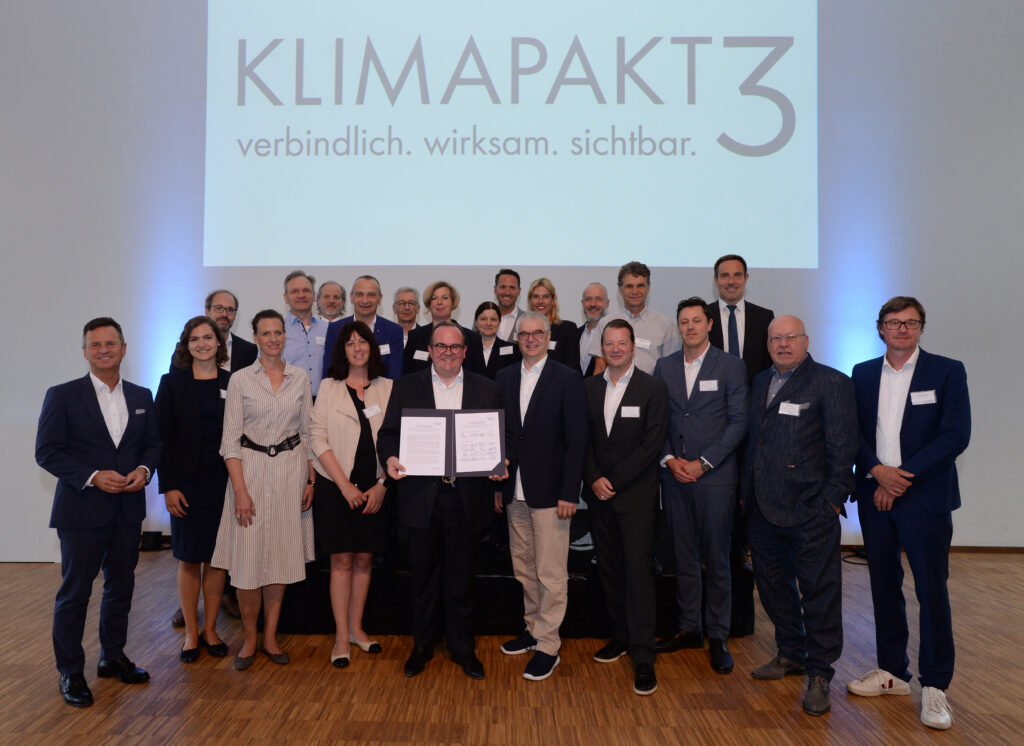
| Operating model | Participation is voluntary but formalised through a CEO-level signature event. Companies commit to active participation, involvement in joint initiatives, and a defined CO2 reduction target, with progress monitored by external consultants using a unified methodology. |
| Scale and governance | The Climate Pact began in 2016, has completed three rounds, and is preparing for its fourth. Each round typically includes around 16 large companies, supported by city staff and appointed consultants who coordinate engagement, monitoring, and workshop delivery. |
| Key partners | Large Munich-based companies and major employers, including internationally recognised headquarters businesses; city economic-development staff; external climate consultants; and municipal departments that help resolve practical delivery barriers such as permitting. |
Introduction and context
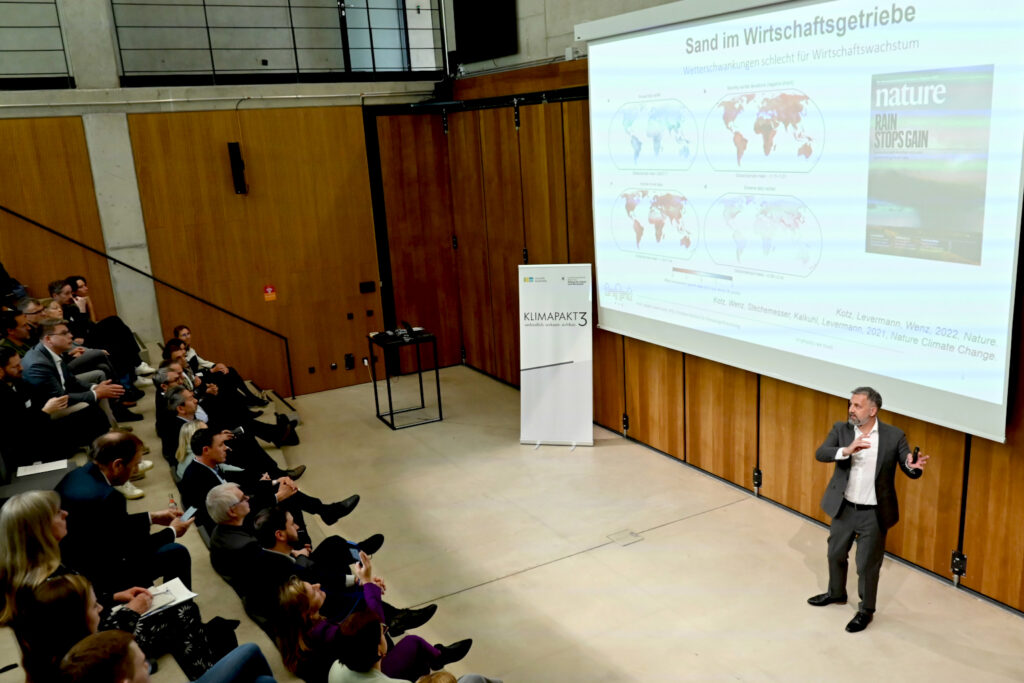
Munich’s Climate Pact is a city-led partnership designed to mobilise large companies behind the city’s climate goals. Established in 2016, it was created to fill a gap in Munich’s business support offer: while the city already had programmes for small and medium-sized enterprises, it did not have a dedicated mechanism for engaging the large companies that account for a significant share of local emissions.
The Pact translates city-level ambition into a practical, collective commitment. Companies join on a voluntary basis, sign up publicly at CEO level, and work towards a shared CO2 reduction target that is monitored and aggregated across participants. This gives companies a visible local role in Munich’s transition while giving the city a structured way to align business action with its accelerated net-zero target of 2035.

How the partnership works
Munich’s model combines a clear city mandate with a carefully managed business offer. The city sets the overall structure, convenes companies, appoints consultants, and provides the public platform, while participating businesses identify and deliver reduction measures that contribute to a shared target. This creates a partnership that is both practical and visible: companies gain access to peer learning, city support, and local recognition, while Munich gains a measurable route for engaging major employers in its 2035 climate ambition.
Turning voluntary participation into a binding collective commitment
The Climate Pact is voluntary, but Munich gives it weight through a formal signature event where CEOs sign an agreement on behalf of their companies. Each round agrees a collective reduction target , and the shared commitment allows companies with different emissions profiles, investment cycles, and project pipelines to contribute in different ways while still working towards a measurable citywide outcome.
Using unified monitoring to make local business action measurable
External climate consultants monitor businesses’ progress on behalf of the city, applying a unified methodology so different measures can be compared and aggregated. Since participating companies already have reporting duties under other frameworks, Munich’s approach is designed to align with those processes and avoid creating duplicate work. The result is a local contribution that can be verified, tracked, and communicated as part of the city’s climate efforts.
Building participation through senior outreach, peer influence, and visibility
Recruitment is relationship-based and intensive. The city and its consultants approach target companies directly, beginning with a letter from the head of department to the CEO and usually continuing through sustainability managers or chief sustainability officers. Participation is a way to gain visibility and credibility, demonstrate local responsibility, exchange with peers, and potentially reduce costs as well as emissions. Peer influence also matters: companies are more likely to join when they see other major local businesses taking part.
Connecting climate delivery with practical business support
The Pact also creates a practical point of contact between companies and the city administration. Businesses can use workshops and relationships with economic-development staff to raise delivery barriers, such as permitting or recruitment issues, and city staff can connect them with the relevant departments. This enabling role has already supported projects that required coordination with permitting teams, showing how the partnership can unlock climate action by helping businesses navigate municipal processes.