Example: São Paulo Green Sampa
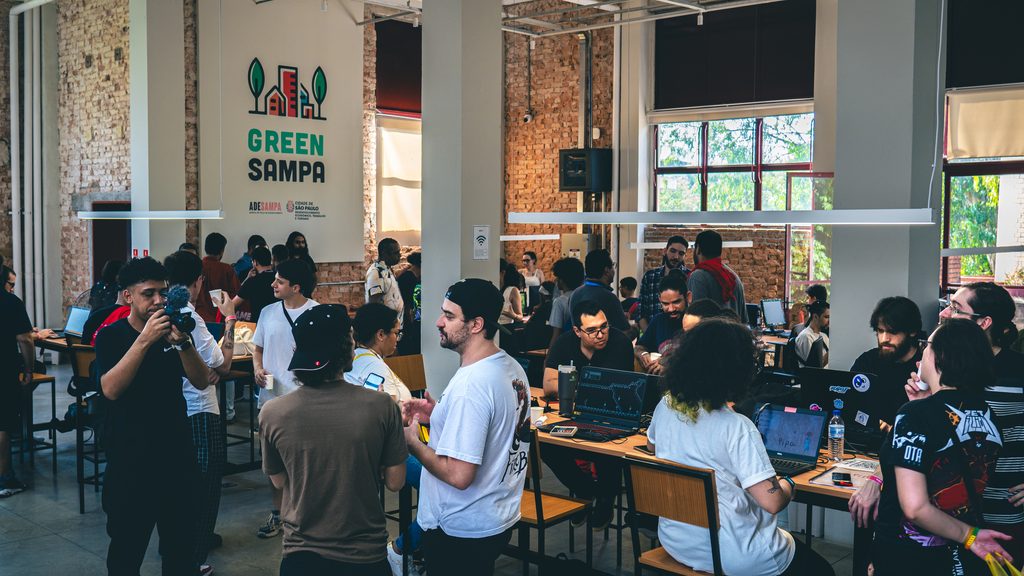
| City role | São Paulo City Hall supports local climate innovation through Green Sampa, an accelerator run by ADE SAMPA, the city’s development agency. The programme helps São Paulo-based startups develop sustainability solutions that can respond to city needs and reach the market. |
| Funding and revenue | ADE SAMPA is financed through an annual municipal contract with the Development Secretaria – SMDET. Each selected startup receives mentoring, business support, and approximately $10,000 in financial support. |
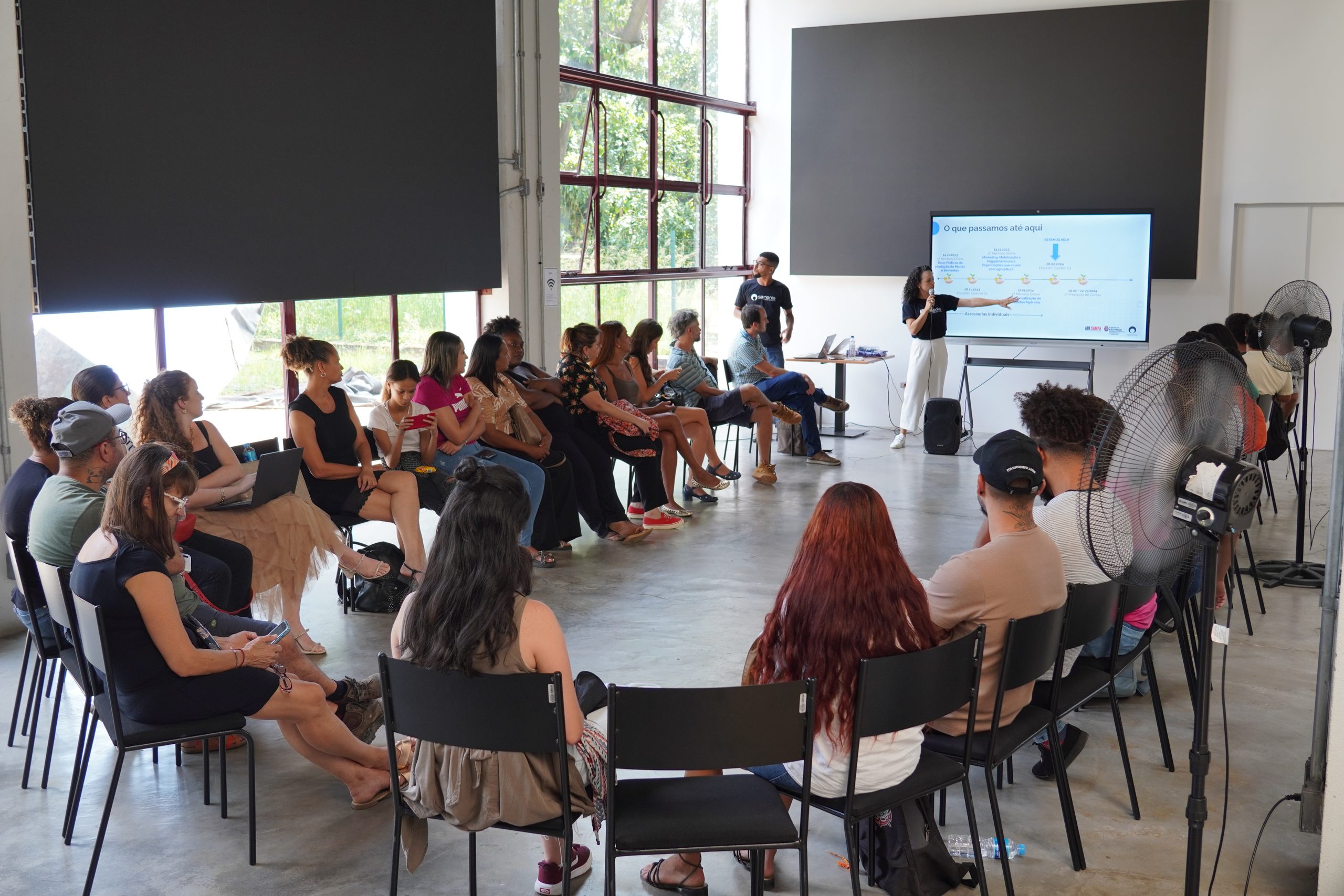
| Operating model | Each edition selects 25 startups based in São Paulo and working on areas such as air quality, waste, energy, mobility, water, and sanitation. Participants join a six-month accelerator focused on turning technical and entrepreneurial ideas into viable solutions. |
| Scale and governance | The programme has run for seven editions and has evolved from a small mentoring pilot for around 10 green businesses into a funded accelerator. It is linked to São Paulo’s Climate Action Plan through targets for the number of startups accelerated by Green Sampa in 2032, 2036, and 2040. |
| Key partners | Ade Sampa, the Development Secretariat, São Paulo’s Climate Change Department, universities, innovation hubs, locally based startups, and other City Hall departments involved in climate, economic development, and strategic projects. |
Introduction and context
Green Sampa is São Paulo’s municipal accelerator for local startups developing sustainability solutions. Created within ADE SAMPA, the city’s development agency, the programme reflects São Paulo’s view that climate action and economic development should be advanced together: supporting businesses that can respond to environmental challenges while creating local economic value.
The model has developed over seven years, moving from a small mentoring pilot into a funded six-month accelerator. Today, the programme selects 25 São Paulo-based startups per edition and focuses on solutions linked to air quality, waste, energy, mobility, water, and sanitation. It sits alongside other city programmes such as Sampa+Rural support for rural producers in the south of the municipality, but its distinctive role is to help startups move from ideas and technical products toward market-ready businesses and public-sector applications.
How the partnership works
Green Sampa works as a practical bridge between São Paulo’s climate priorities, its economic development agenda, and the city’s innovation ecosystem. Rather than asking businesses only to align with existing city plans, the programme invests in local entrepreneurs whose products and services could help address urban sustainability challenges. This gives the city a way to stimulate green enterprise, strengthen local capacity, and test solutions that may contribute to climate action in São Paulo.
Accelerating local climate solutions
Each ADE SAMPA Green Sampa aceleration combines mentoring, business development support, and funding to help startups strengthen their business models and apply their solutions in the city. The programme is deliberately local: targeting São Paulo residents because the municipal budget is intended to generate benefits within the municipality. This local requirement also helps position the accelerator as a mechanism for building home-grown climate innovation capacity.
Linking economic development with climate priorities
The programme was shaped by early political sponsorship from the Development Secretariat and by technical staff who saw sustainability as part of São Paulo’s economic future. Green Sampa is now directly reflected in the updated Climate Action Plan, which includes targets for the number of startups accelerated through the programme in future milestone years. Although it does not have a standalone climate-budget action, its inclusion in the city budget and annual contract gives it a recurring delivery route.
Building from the local innovation ecosystem
The first edition began with mapping universities, hubs, and the wider sustainability ecosystem to understand where public-sector support could add value beyond existing private-sector activity. Over time, the accelerator has increasingly attracted university-linked and tech ventures, such as teams with technical products or research-based solutions that need support to become viable businesses, access markets, and understand how their ideas can work in a public-sector context.
Tracking outcomes and maintaining continuity
São Paulo has started to strengthen how it tracks participant outcomes, recording the position of startups when they join the programme, how they develop during the accelerator, and their progress after completion. This evidence helps communicate the programme’s value to different audiences, from economic forums focused on quantitative outcomes to social-impact discussions where lived experience and practical examples may be more persuasive. Institutional continuity has also supported the model including recurring municipal funding, Ade Sampa’s role as a relatively independent agency, and São Paulo’s permanent civil-service workforce.