Example: Warsaw Partnership for Climate (Partnerstwo dla Klimatu)
| City role | Warsaw’s Air Protection and Climate Policy Department coordinates the Partnership for Climate and uses it as part of a wider city platform for bringing businesses, academia, NGOs, embassies, districts and other city actors into climate action. |
| Funding and revenue | The partnership itself is supported by in-house city staff capacity, while delivery is enabled through city climate budgets. |
| Operating model | Membership is open across sectors and organisation sizes, including businesses, NGOs, academia and institutions. Partners submit annual reports on their activity, and the city screens participation to protect credibility and reduce greenwashing risks. |
| Scale and governance | The Climate Policy Division – which sits in the Air Protection and Climate Policy Department – has around ten staff working across climate policy, resilience, emissions reduction, standards and partnership activity. Warsaw is also introducing a partnership council to strengthen shared ownership and reduce reliance on the city as the sole convener. |
| Key partners | Businesses, universities and technical universities, NGOs, embassies, apartment communities, district authorities, city departments, infrastructure and energy companies, architects, developers, residents and other public-sector units. |
Introduction and context
Warsaw’s Partnership for Climate (Partnerstwo dla Klimatu) is a city-led platform for working with external partners on climate and environmental action. It operates as an umbrella for practical collaboration with businesses, universities, NGOs, embassies, districts and other city actors.
The model reflects Warsaw’s wider climate governance challenge. The city council has adopted climate goals and participates in the EU Mission for 100 Climate-Neutral and Smart Cities, but the municipality directly controls only part of the emissions reductions needed. The partnership therefore helps Warsaw involve the organisations, residents and institutions whose decisions shape buildings, energy, mobility, public space and everyday climate action.
Rather than positioning the city as the sole delivery body, Warsaw uses the partnership to make climate action visible, practical and shared. Partners contribute knowledge, venues, projects, finance, data, technical expertise and local networks, while the city provides coordination, credibility, strategic direction and access to municipal processes.

How the partnership works
The Partnership for Climate sits within a wider ecosystem of Warsaw climate collaboration. It provides a recognisable platform for partners, but the city also works through project-specific initiatives, city budgets, district delivery, procurement standards, advisory services and strategic engagement with major infrastructure and energy companies. This allows Warsaw to match the form of collaboration to the problem: some activities are network-led, some are city-funded, and others are delivered by partners or districts with city support.
Using the partnership as an umbrella, not a single programme
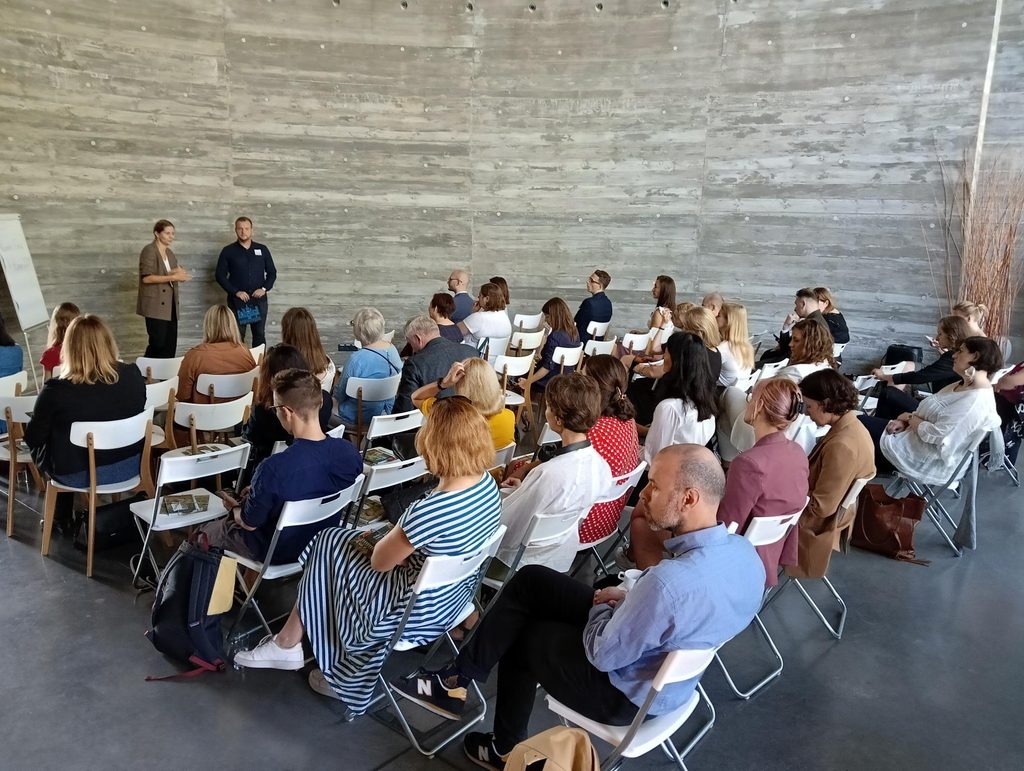
Warsaw describes the Partnership for Climate as a vehicle or “mothership” for different branches of engagement rather than the only route into business collaboration. Under this umbrella, the city can convene partners around events, educational activity, technical input, cooling spaces, green investment, academic collaboration and other initiatives that support climate neutrality and environmental awareness.
Turning convening power into practical projects
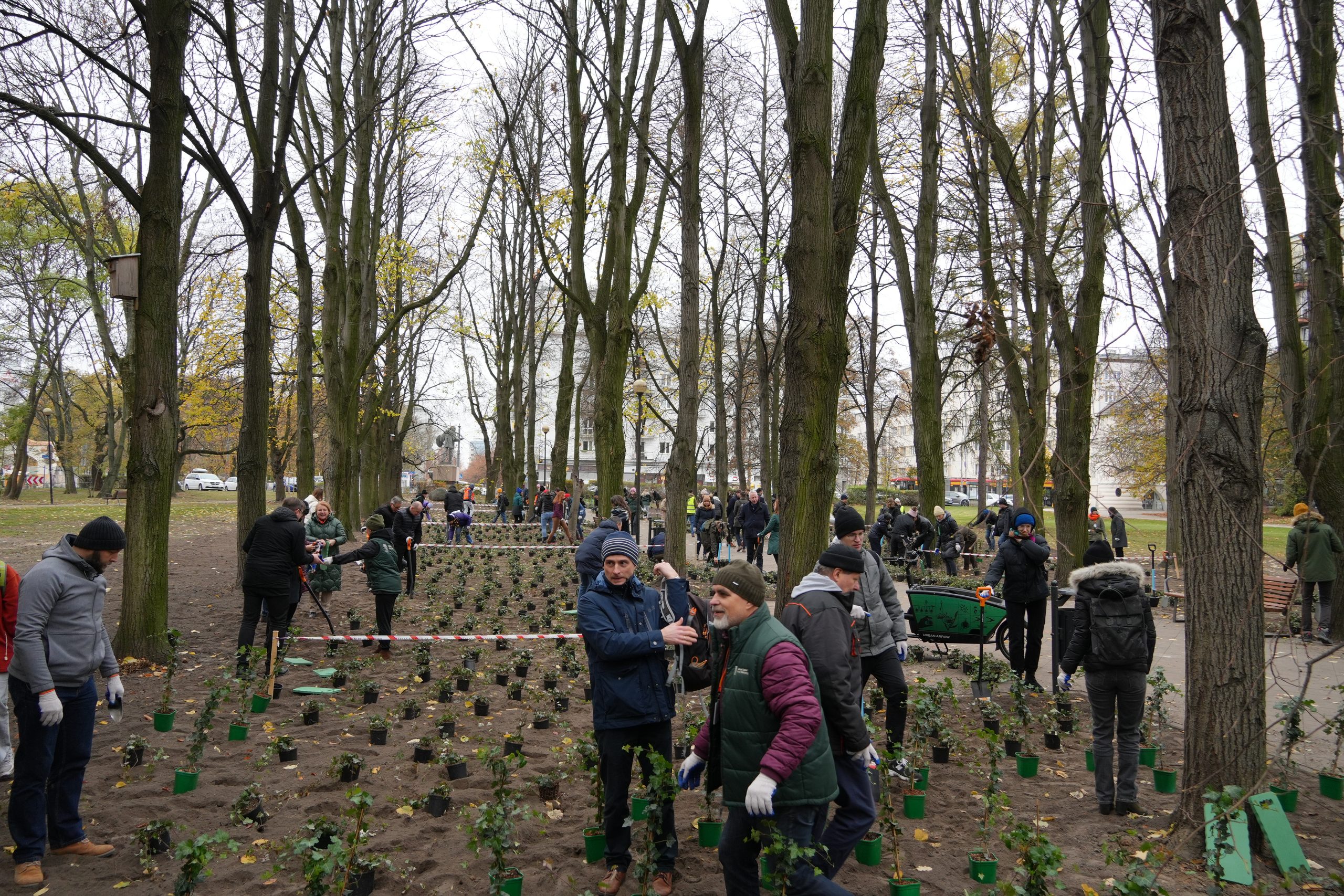
The city combines formal municipal levers with softer convening power. For example, Warsaw uses its building stock to provide cooling spots, and invites private partners such as shopping centres to join the network. The city cooling spots are publicised on Warsaw’s official cooling spots map. It also connects universities with real municipal assets, such as public buildings used by students to develop retrofit and business plans, creating benefits for both the city and the academic partners. Practical support is given to small NGOs participating in the Partnership for Climate, such as the free use of municipal premises for events.
Maintaining credibility through partner screening and reporting
Warsaw has designed safeguards to reduce reputational risk and greenwashing. Partners submit annual reports setting out their most important climate-related actions and benefits, and the city screens participation where there are concerns about credibility or alignment. This helps maintain a trusted space for partners that want to collaborate around climate leadership.
Linking partnership activity to city priorities and delivery capacity
Projects are prioritised pragmatically against Warsaw’s strategic goals, emissions priorities, inclusion objectives and the likelihood of tangible results. The Climate Policy Division acts as an internal consultant and connector. It provides expertise, links departments and districts, helps unlock resources and keeps partners in the loop, while recognising that delivery often sits with other municipal units, districts or partner organisations.